
In conclusion, the impact of physiological dependence on substance use disorder is substantial. The recognition of substance use disorder as a unified diagnosis reflects a more comprehensive understanding of addiction. Thorough assessments, treatment for co-occurring issues, and comprehensive recovery plans are vital for individuals seeking to overcome addiction and achieve lasting recovery. In addition to professional help, establishing a strong support system is crucial to managing withdrawal symptoms and starting the recovery journey. Recovery from addiction is not a solitary process, physiological dependence and having a network of supportive individuals can provide encouragement, accountability, and understanding. Physical dependence occurs when the body becomes reliant on a substance, and abruptly stopping its use can lead to harsh withdrawal symptoms 4.
- Many people mistakenly believe that psychological dependence is “all in your head” and therefore less serious than physical dependence.
- Use of hallucinogens can produce different signs and symptoms, depending on the drug.
- Cravings are a core element of psychological dependence, often presenting as strong urges to use the substance in question.
Substance Abuse Programs

Medical supervision during detoxification is critical for ensuring safety and reducing discomfort. This involves providing medical care and psychological support to patients experiencing withdrawal symptoms. Empathy plays a key role in this process, helping to build trust between patients and treatment staff. Stigma surrounding addiction and physiological dependence can have detrimental effects on individuals seeking treatment. This stigma may lead to avoidance of effective medication treatments, such as buprenorphine and methadone, for opioid use disorder. It can also result in the false belief that individuals on medication treatments are “not really in recovery”.
The connection between CBT and improved mental health in recovery
- Tolerance does build up over time, which changes how the brain reacts to the presence of the drug.
- Support groups and long-term recovery strategies are the unsung heroes of addiction treatment.
- Tolerance is a hallmark of physiological addiction, where a person needs progressively larger doses of a substance to achieve the same effect that a smaller dose once produced.
Below, we will explore seven primary signs of physiological dependence and discuss how they reveal the underlying effects of continued substance use on the body. By differentiating between these two concepts, healthcare professionals can provide appropriate and tailored treatment options for individuals experiencing physiological dependence. Behavioral therapies play a crucial role in the treatment of physiological dependence. These therapies help individuals identify and change unhealthy thoughts and behaviors related to substance use. Cognitive-behavioral therapy (CBT) and motivational interviewing (MI) are two common behavioral therapy approaches used in the treatment of physiological dependence. CBT focuses on identifying and modifying negative thought patterns and developing healthier coping strategies.
- Opioids are narcotic, painkilling drugs produced from opium or made synthetically.
- Remember, every person’s journey is unique, and support should be tailored to their specific needs.
- Physical dependence is when a person’s body requires a particular substance to function optimally.
- The biggest red flags about physiological dependence are tolerance and withdrawal.
- It is important to create an environment where individuals feel safe and supported throughout their journey towards recovery.
Emotional Effects
These vary depending on the substance but can include liver disease, cardiovascular problems, respiratory issues, and neurological damage. Ideally, one would like to alleviate the symptoms of withdrawal without perpetuating or worsening physiological dependence. This may not always be easy to accomplish, as substitute drugs that are effective in treating withdrawal often produce physiological dependence themselves. Physiological dependence occurs when the body’s systems become accustomed to a substance’s regular presence. If the substance is reduced or removed, this disrupts normal functioning, leading to various physical reactions.
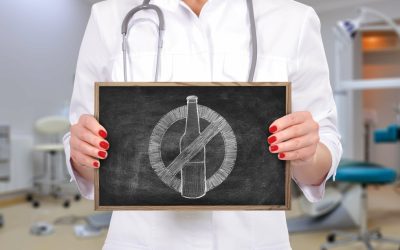
It is essential for these individuals to undergo thorough assessments and receive appropriate treatment for any co-occurring issues. This comprehensive approach ensures that all aspects of their well-being are addressed during the recovery process. This process allows the body to rid itself drug addiction treatment of the addictive substance while managing withdrawal symptoms. Medical professionals may prescribe medications to help alleviate withdrawal symptoms and ensure a safe detoxification process. By recognizing the signs of physiological dependence, individuals can take proactive steps towards addressing their substance use and seeking the appropriate help and support.
Risk of Substance Use Disorders
Today, we’re covering how physiological dependence develops and what you can do about it. It’s important to remember that you can recover from substance use disorder, whether you notice it during the dependency stage or when you’re already addicted. However, you can still choose to not take the substance while dealing with these triggers — with addiction, it’s almost impossible to not take the substance when in these situations. Empower change with effective strategies to address alcohol and underage drinking.
Discover the signs, treatment approaches, and support for addiction recovery. Prevention strategies are also evolving, with a greater emphasis on early intervention and addressing underlying risk factors. This includes recognizing and addressing substitute addictions, where individuals replace one addictive behavior with another. The philosophy of addiction delves into these complex interactions between physical dependence, psychological factors, and societal influences. It raises profound questions about free will, personal responsibility, and the nature of human behavior. Behavioral therapies and counseling are essential components of addiction treatment.